Millions of people across the world live with dementia, a progressive condition that causes memory loss, confusion, and cognitive decline. With an ageing population, the demand for effective dementia care solutions is rising rapidly. Traditional caregiving approaches—though rooted in compassion—often struggle to meet the growing and complex needs of dementia patients.
Fortunately, advances in technology are reshaping dementia care, making it safer, more efficient, and more personalised. From pressure mats and alarm systems to motion sensors and AI-powered tools, innovations are helping caregivers protect patients while reducing stress and workload. These technologies not only improve safety but also give families and carers peace of mind, allowing them to focus on providing emotional and social support.
Why Technology is Essential in Dementia Care
Dementia worsens over time, leading to challenges such as forgetfulness, disorientation, difficulty communicating, and increased risk of wandering or falling. These symptoms demand constant vigilance from caregivers, which can be physically and emotionally exhausting.
While human care and empathy remain irreplaceable, technology provides crucial support. Smart monitoring devices and advanced alert systems can detect behavioural changes, track location, and monitor physical activity. This helps caregivers prevent incidents, respond quickly in emergencies, and maintain the patient’s dignity and independence for as long as possible.
How Technology Enhances Safety for Dementia Patients
Pressure Mats: Preventing Falls Before They Happen
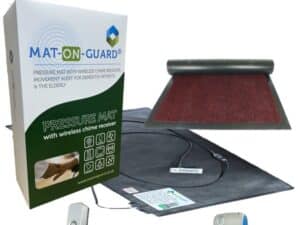
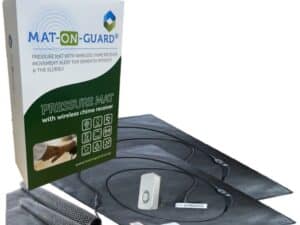
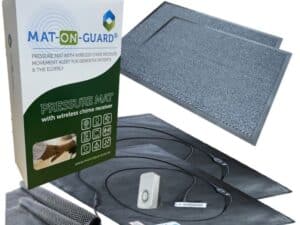
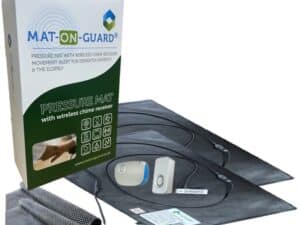
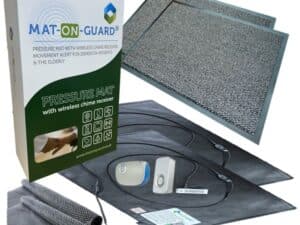
Pressure mats are placed beside beds or chairs and detect changes in weight when a patient moves or stands. As soon as a shift is detected, the system sends an alert—allowing caregivers to act before a fall occurs. This simple yet effective tool significantly reduces the risk of injury.
Alarm Systems: Real-Time Alerts for Caregivers
Alarm systems provide instant notifications when a patient attempts to leave a bed, room, or safe area. These real-time alerts help caregivers intervene before accidents or wandering episodes occur, ensuring continuous monitoring without constant physical supervision.
Together, these technologies provide reassurance to both caregivers and families, ensuring dementia patients remain safe at all times.
Mat On Guard: Revolutionising Dementia Care
One of the leading innovators in this field is Mat on Guard, a company dedicated to advanced dementia care technology. Their pressure-sensitive floor mats and monitoring systems provide real-time alerts whenever a patient begins to move, helping caregivers act quickly to prevent falls or wandering.
These solutions reduce the burden of constant supervision, giving carers more time to focus on patients’ emotional, social, and physical well-being. By creating safer environments, Mat On Guard ensures both patients and caregivers feel more secure.
Benefits of Dementia Care Technology
- Increased Safety and Security
Tools such as pressure mats and alarm systems identify potential risks instantly, allowing caregivers to respond before accidents happen. - Reduced Caregiver Stress
Automated alerts and real-time monitoring reduce the emotional and physical burden on carers, helping to prevent burnout. - Personalised, Responsive Care
Many technologies collect data on patient behaviour and movement patterns, allowing caregivers to tailor care plans to the individual’s needs. This leads to more effective and compassionate support.
The Future of Dementia Care: What to Expect
Artificial Intelligence & Predictive Analytics
AI can analyse behaviour and movement to predict risks such as falls or wandering, enabling proactive care.
Smart Home Integration
Voice-activated systems, automated lighting, and connected sensors can create a seamless, supportive living environment.
Remote Monitoring & Telemedicine
Care providers will increasingly be able to monitor patients remotely, offering timely support and care plan adjustments—even in rural or hard-to-reach areas.
Conclusion: A Safer Future for Dementia Patients and Carers
Technology is transforming dementia care by making it safer, smarter, and more responsive. From pressure mats that detect movement to AI-driven monitoring systems, these innovations allow caregivers to focus less on constant supervision and more on the emotional and physical needs of their patients.
As the field continues to evolve, dementia patients will benefit from safer environments, personalised support, and a higher quality of life—while caregivers experience reduced stress and greater peace of mind.
By embracing these technologies today, we are building a future of dementia care that is safer, more dignified, and more supportive for all.