Dementia affects nearly one million people across the UK, and for many families the most challenging part of the day is not the morning or afternoon, it is the night.
While many caregiving and dementia home monitoring solutions support patients during the day, night-time presents unique risks and uncertainties. Confusion, wandering, falls, and sleep disturbances are common in people living with dementia. Without proper supervision or preventive measures, these issues can quickly become serious safety concerns.
Night-time dementia care is not simply about someone watching over a patient while they sleep. It involves proactive monitoring systems that help prevent accidents, alert caregivers to movement, and ensure the patient remains monitored throughout the night.
In this guide, we explore the importance of night-time monitoring for dementia patients in the UK, how it improves safety, and how families can achieve peace of mind while maintaining the dignity and independence of their loved ones.
Why Night-Time Is Risky for Dementia Patients
Many people living with dementia experience a condition known as sundowning. This refers to a gradual increase in confusion, restlessness, or anxiety during the late evening and night.
As daylight fades, familiar surroundings may suddenly feel unfamiliar or threatening. This behaviour is not intentional but a symptom of dementia that can cause distress for the patient.
Without supervision, these episodes may lead to injuries, wandering incidents, or emergency hospital visits. This is why night care for dementia patients is so important.
Common Night-Time Risks for Dementia Patients
- Wandering out of bed or leaving the home
- Increased risk of falls during the night
- Difficulty recognising familiar surroundings
- Sleep disturbances and insomnia
- Attempting unsafe tasks such as unlocking doors or moving furniture
The Impact on Families and Caregivers
Providing night-time dementia monitoring can be extremely challenging for family caregivers. Many carers sleep lightly and remain constantly alert for sounds or movement during the night.
Over time, this disrupted sleep can significantly impact both physical health and mental well-being.
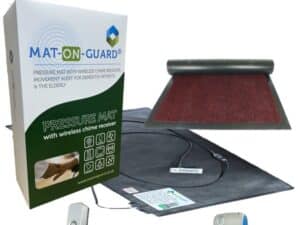
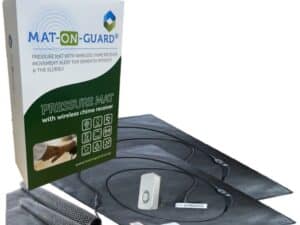
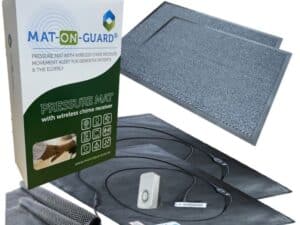
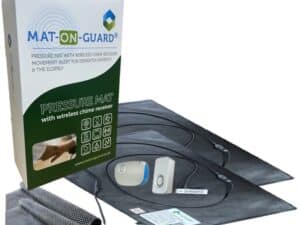
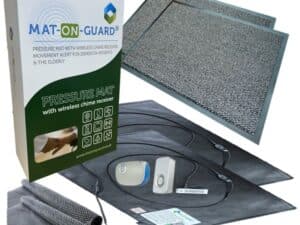
Using modern monitoring tools such as a Double Exit Pressure Mat Alarm System, allows carers to rest while still being alerted immediately if the patient gets out of bed or begins to wander.
Families caring for dementia patients often experience:
- Anxiety about loved ones falling at night
- Fear of wandering or leaving the home unsupervised
- Stress caused by confusion or mood changes
- Feelings of guilt when considering professional help
- Exhaustion from long-term sleep disruption
Night-time monitoring systems can significantly reduce these stresses.
How Night-Time Monitoring Improves Safety
Effective night care for dementia patients does not have to be intrusive. Modern dementia monitoring solutions are designed to provide discreet supervision while protecting the patient’s privacy and dignity.
For example, tools such as a Single Exit Pressure Mat Alarm System can be placed beside the bed. When stepped on, the mat immediately alerts the caregiver, allowing them to respond before a patient wanders away or falls.
Preventing Night-Time Falls
Falls are one of the most common risks among older adults living with dementia.
At night, poor lighting and confusion can make navigation difficult. Pressure mat alarm systems act as fall-prevention tools, notifying caregivers the moment a patient leaves their bed so they can provide assistance quickly.
Preventing Unsafe Wandering
Sleep disturbances are common in dementia patients. They may wake up disoriented and attempt to leave the room or even the house.
Proper dementia night monitoring solutions help prevent dangerous wandering situations by alerting caregivers immediately when movement occurs.
Ensuring Quick Help in Emergencies
If a patient becomes unwell or experiences an accident during the night, rapid response is essential.
Without monitoring tools, problems may go unnoticed for hours. Night-time monitoring systems ensure caregivers can respond immediately and provide help before a situation escalates.
Providing Peace of Mind for Families
Monitoring tools support both the patient and the caregiver.
Instead of staying awake all night, caregivers can sleep knowing they will be alerted if assistance is required. This reduces stress, prevents burnout, and allows carers to maintain their own health.
Maintaining Dignity and Independence
One concern many families have about overnight supervision is the loss of privacy for the patient.
However, modern dementia monitoring technology focuses on safety without constant physical observation.
When used appropriately, smart monitoring tools help maintain the patient’s independence while still ensuring protection.
Benefits of Smart Dementia Monitoring Tools
- Operate discreetly in the home
- Respect the patient’s privacy
- Support independence and mobility
- Reduce unnecessary disturbance
- Provide reassurance for families and caregivers
Final Thoughts: Work Smarter with Night-Time Dementia Monitoring
Providing dementia night care in the UK becomes more challenging once the day ends. Patients may experience confusion, restlessness, or wandering that increases the risk of falls and injuries.
Discreet monitoring solutions such as pressure sensor mats allow families and caregivers to provide overnight protection without compromising the patient’s dignity.
Ultimately, the goal of night-time monitoring is simple:
to help dementia patients sleep safely while giving families confidence that their loved ones are protected.
Companies like Mat on Guard offer specialised monitoring tools designed to improve safety, reduce wandering risks, and support caregivers in providing better overnight dementia care.